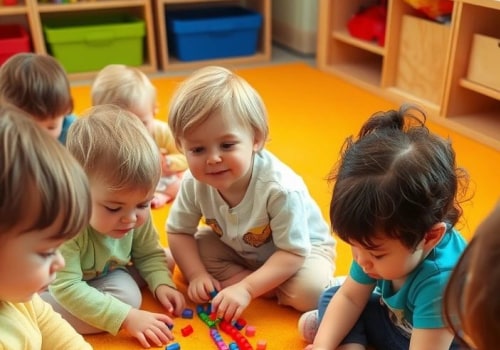
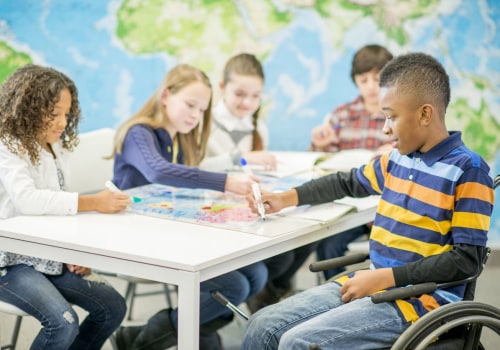
In the ever-evolving landscape of education, the concept of fun learning for kids has emerged as a transformative approach that prioritises engagement and enjoyment in the learning process. This method recognises that children are naturally curious and that their desire to explore the world around them can be harnessed to enhance their educational experiences. By integrating play into learning, educators and parents can create an environment where children feel motivated to participate actively, leading to improved retention of knowledge and a deeper understanding of complex concepts.The significance of fun learning extends beyond mere enjoyment; it plays a crucial role in cognitive development. When children engage with educational toys and interactive activities, they are not just playing—they are developing essential skills such as critical thinking, problem-solving, and creativity. extends beyond mere enjoyment; it plays a crucial role in cognitive development. When children engage with educational toys and interactive activities, they are not just playing—they are developing essential skills such as critical thinking, problem-solving, and creativity.
These skills are vital for success in both academic and real-world scenarios. Moreover, when learning is enjoyable, children are more likely to embrace challenges and view mistakes as opportunities for growth rather than setbacks.Furthermore, the benefits of educational toys cannot be overstated. These tools are specifically designed to stimulate curiosity and foster a love for learning. They encourage children to explore various subjects through hands-on experiences, making abstract concepts more tangible.
For instance, a simple building block set can teach principles of physics and engineering while simultaneously enhancing fine motor skills. This multifaceted approach not only enriches the learning experience but also nurtures emotional intelligence by promoting collaboration and social interaction among peers.In summary, embracing fun learning for kids is essential in today’s educational framework. It not only enhances engagement but also lays a solid foundation for lifelong learning. By prioritising enjoyable educational experiences, we can cultivate a generation of learners who are not only knowledgeable but also passionate about discovering new ideas and solving problems creatively.
Understanding Educational Toys
Educational toys are specially designed playthings that aim to enhance a child's learning and development through engaging activities.Unlike traditional toys, which may focus solely on entertainment, educational toys incorporate elements that promote cognitive skills, creativity, and social interaction. These toys can range from simple building blocks to complex science kits, each serving a unique purpose in a child's educational journey.There are several types of educational toys , each catering to different aspects of learning:
- STEM Toys: These toys focus on science, technology, engineering, and mathematics. Examples include robotics kits and building sets like LEGO, which encourage children to explore engineering concepts while having fun.
- Creative Arts and Crafts: Art supplies such as paints, clay, and craft kits foster creativity and self-expression. Engaging in artistic activities helps children develop fine motor skills and enhances their ability to think outside the box.
- Puzzles: Jigsaw puzzles and brain teasers are excellent for developing problem-solving abilities.
They challenge kids to think critically and improve their spatial awareness while providing a sense of accomplishment upon completion.
- Board Games: Educational board games teach children about strategy, teamwork, and critical thinking. Games like Scrabble or Monopoly not only entertain but also improve vocabulary and basic math skills.
- Interactive Learning Toys: These include electronic devices that offer quizzes, games, and interactive storytelling. Toys like tablets designed for children can make learning fun through engaging apps that cover various subjects.
- Cognitive Development: By stimulating curiosity and encouraging exploration, educational toys help children develop critical thinking skills.
- Social Skills: Many educational toys promote collaborative play, fostering teamwork and communication among peers.
- Emotional Growth: As children achieve small milestones during playtime, their self-esteem is boosted, nurturing a positive self-image.
- Fine Motor Skills: Toys that require manipulation help improve hand-eye coordination and dexterity.
By integrating play with education, these toys create an enriching environment where children can thrive both academically and socially.
Categories of Educational Toys That Promote Fun Learning
When it comes to fostering fun learning for kids, educational toys can be categorised into several distinct types, each designed to enhance various aspects of a child's development. Understanding these categories can help parents and educators select the most suitable toys that align with a child's interests and learning needs.STEM Toys: Building Future Innovators
STEM (Science, Technology, Engineering, and Mathematics) toys are specifically crafted to engage children in these critical fields. They encourage hands-on exploration and problem-solving, making complex concepts accessible and enjoyable. Here are some popular types of STEM toys:- Building Sets: Toys like LEGO or magnetic tiles allow children to construct their own designs, promoting creativity while enhancing spatial awareness and engineering skills.
- Coding Games: Interactive games that introduce coding principles through fun challenges help develop logical thinking and computational skills. Interactive games that introduce coding principles through fun challenges help develop logical thinking and computational skills.
- Science Kits: Experiment kits covering topics such as chemistry or physics encourage curiosity and experimentation, essential components of scientific inquiry.
- Robotics Kits: These kits enable kids to build and program their own robots, merging creativity with technical skills.
Creative Toys: Nurturing Imagination
Creative toys play a vital role in nurturing a child's imagination and self-expression.They provide opportunities for artistic exploration and can significantly enhance cognitive development. Some examples include:
- Art Supplies: High-quality materials such as paints, crayons, and sketch pads inspire children to create their own masterpieces, fostering creativity while developing fine motor skills.
- Craft Kits: These kits often include materials for making jewellery, models, or other crafts, providing engaging activities that teach planning and execution.
- Dramatic Play Sets: Costumes and role-play sets allow children to immerse themselves in different characters, enhancing social skills through storytelling.
Interactive Toys: Merging Learning with Technology
In an increasingly digital world, interactive toys have become essential for making learning engaging. These toys often incorporate technology to create immersive experiences. Notable examples include:- Smart Tablets: Devices designed for children offer a range of educational games that adapt to individual learning paces, making them ideal for personalised education.
- Augmented Reality (AR) Toys: Products like Osmo combine physical play with digital interaction, allowing children to engage in activities that enhance creativity and cognitive abilities.
- Digital Learning Games: Educational apps that focus on subjects like math or language arts make learning fun through interactive challenges and rewards.
Each category of toy contributes uniquely to the overall development of children, ensuring that education is not just about academics but also about exploration and enjoyment.
Top Educational Toys for Different Age Groups
When it comes to fostering fun learning for kids, selecting the right educational toys tailored to their age group is essential. Each developmental stage presents unique opportunities for growth, and the right toys can significantly enhance a child's learning experience. Below is a comprehensive list of recommended educational toys for toddlers, preschoolers, and school-age children.Educational Toys for Toddlers (1-3 years)
- Stacking Blocks: These vibrant blocks not only help develop fine motor skills but also introduce toddlers to basic concepts of size, balance, and spatial awareness.
- Musical Instruments: Simple instruments like tambourines or xylophones encourage creativity and auditory skills, making music a delightful way to learn.
- Shape Sorters: These toys promote problem-solving skills as toddlers learn to match shapes with their corresponding holes, enhancing cognitive development.
Educational Toys for Preschoolers (4-5 years)
- Puzzles: Age-appropriate puzzles enhance cognitive skills and improve memory while providing a sense of achievement when completed.
- Building Sets: Sets like LEGO Duplo encourage imaginative play and help develop spatial awareness and engineering skills through creative construction.
- Interactive Storybooks: Books that incorporate sound or touch elements engage preschoolers in reading, fostering a love for literature and storytelling.
Educational Toys for School-Age Children (6+ years)
- STEM Kits: Science, Technology, Engineering, and Mathematics kits provide hands-on experiments that stimulate curiosity and critical thinking, preparing children for future academic challenges.
- Board Games: Games that require strategy and teamwork not only entertain but also teach valuable social skills and problem-solving techniques.
- Art Supplies: High-quality art materials encourage creativity and self-expression, allowing children to explore their artistic talents while developing fine motor skills.
STEM Toys: Fostering Critical Thinking and Problem Solving
In an era where critical thinking and problem-solving skills are paramount, STEM toys have emerged as invaluable tools for nurturing these abilities in children.By integrating elements of science, technology, engineering, and mathematics, these toys provide a hands-on approach to learning that captivates young minds and encourages them to think outside the box.
Benefits of STEM Toys
- Encouragement of Exploration: STEM toys invite children to experiment and explore concepts in a playful manner. This exploration fosters curiosity, allowing kids to ask questions and seek answers through trial and error.
- Development of Critical Thinking: Engaging with STEM toys requires children to analyse situations, make decisions, and evaluate outcomes. This process enhances their ability to think critically about problems and devise effective solutions.
- Promotion of Collaboration: Many STEM activities encourage teamwork, teaching children how to communicate ideas effectively and work together towards a common goal. This collaborative aspect is essential for developing social skills.
- Preparation for Future Careers: As the job market increasingly demands skills in STEM fields, early exposure through these toys can spark interest in future careers in science, technology, engineering, or mathematics.
Examples of Effective STEM Toys
- Building Sets: Toys like LEGO or magnetic tiles allow children to construct their own designs.
This not only promotes creativity but also enhances spatial awareness and engineering skills.
- Coding Games: Interactive games that introduce coding concepts through fun challenges help develop logical thinking. For instance, games like Code.org offer engaging platforms for children to learn programming basics.
- Science Kits: Experiment kits covering topics such as chemistry or physics encourage curiosity and experimentation. These kits often include hands-on activities that make complex concepts accessible and enjoyable.
- Robotics Kits: Building and programming robots with kits like LEGO Boost or Botley the Coding Robot merges creativity with technical skills, providing a comprehensive learning experience.
Problem-Solving Games for Kids
Incorporating problem-solving games into playtime can significantly enhance a child's ability to navigate challenges. Board games that require strategy or cooperative play teach valuable lessons about collaboration and critical analysis.
For example, games like chess or logic puzzles challenge kids to think ahead and plan their moves carefully. Additionally, many digital apps designed for children focus on problem-solving scenarios that adapt to the child's skill level, ensuring they remain engaged while learning.Ultimately, investing in STEM toys is not just about fun; it is an investment in a child's future. By promoting fun learning for kids, these educational tools lay the groundwork for essential skills that will benefit them throughout their lives.
Creative and Artistic Toys That Inspire Imagination
Creative and artistic toys are essential tools for nurturing imagination and self-expression in children. These toys not only provide entertainment but also serve as a medium through which kids can explore their creativity, develop new skills, and express their thoughts and feelings.Engaging in artistic play allows children to communicate ideas that they may not yet have the words for, fostering emotional intelligence and social skills.
Benefits of Creative Educational Toys
- Enhancement of Fine Motor Skills: Activities such as drawing, painting, or crafting require precise hand movements, which help improve fine motor skills. As children manipulate various materials, they develop better control over their hands and fingers.
- Boosting Cognitive Development: Creative play encourages problem-solving and critical thinking. When children engage in artistic activities, they learn to make decisions about colours, shapes, and materials, enhancing their cognitive abilities.
- Encouragement of Emotional Expression: Art provides a safe space for children to express their emotions. Whether they are feeling happy, sad, or frustrated, creating art allows them to channel these feelings into something tangible.
- Fostering Imagination: Imaginative play is crucial for cognitive development.
Toys that encourage creativity—such as building sets or craft kits—allow children to invent stories and scenarios, enhancing their imaginative capabilities.
- Social Skills Development: Many creative activities can be done in groups, promoting teamwork and collaboration. Children learn to share ideas, negotiate roles in group projects, and appreciate the contributions of others.
Types of Creative and Artistic Toys
- Art Supplies: High-quality art materials like paints, crayons, and clay inspire children to create their own masterpieces. These tools not only enhance creativity but also allow for free expression.
- Building Sets: Construction toys such as LEGO or magnetic tiles encourage imaginative play by allowing children to design and build structures. This type of play promotes spatial awareness and engineering skills.
- Craft Kits: Kits that include materials for making jewellery, models, or other crafts provide hours of engaging fun while teaching kids about planning and execution.
- Dramatic Play Sets: Costumes and role-play sets enable children to immerse themselves in different characters, fostering imagination through storytelling.
By selecting the right tools that inspire artistic expression, parents can significantly enhance their child's developmental journey through fun learning experiences.
Interactive Learning Toys: Merging Technology with Play
In an era where technology permeates every aspect of our lives, the emergence of interactive learning toys has revolutionised the way children engage with educational content. These innovative toys blend traditional play with digital elements, creating a dynamic learning environment that captivates young minds and enhances their educational experience.Understanding Interactive Learning Toys
Interactive learning toys are designed to stimulate a child's curiosity and creativity through engaging, hands-on experiences. They often incorporate features such as touch screens, sensors, and connectivity to apps or online platforms, allowing for a more immersive learning experience. This integration of technology not only makes learning enjoyable but also caters to various learning styles, ensuring that every child can benefit from these tools.
The Role of Technology in Learning
Technology plays a crucial role in modern education by providing children with access to a wealth of information and interactive experiences.
With the rise of digital learning tools, children can explore subjects like science, mathematics, and language arts in ways that were previously unimaginable. For instance:
- Smart Tablets: Devices such as the LeapFrog LeapPad offer tailored educational games that adapt to a child's individual learning pace, making them ideal for personalised education.
- Robotic Kits: Toys like LEGO Boost or Botley the Coding Robot introduce basic programming concepts through engaging building and coding challenges, fostering critical thinking and problem-solving skills.
- Augmented Reality (AR) Toys: Products like Osmo merge physical play with digital interaction, allowing children to engage in activities that enhance their creativity and cognitive abilities.
Benefits of Interactive Learning Toys
The advantages of incorporating interactive learning toys into a child's playtime are manifold:
- Enhanced Engagement: The interactive nature of these toys keeps children focused and motivated to learn.
- Development of Digital Literacy: As children navigate technology through play, they develop essential digital skills that will serve them well in the future.
- Catering to Different Learning Styles: Interactive toys can accommodate visual, auditory, and kinesthetic learners by offering diverse methods of engagement.
- Encouragement of Independent Learning: Many interactive toys promote self-directed exploration, allowing children to learn at their own pace without constant adult supervision.
How to Choose the Right Educational Toy for Your Child
Choosing the right educational toy for your child can be a rewarding yet daunting task. With a plethora of options available, it’s essential to consider several factors to ensure that the toy not only entertains but also promotes fun learning for kids.Here are some key aspects to keep in mind when selecting educational toys:
- Age Appropriateness: Always check the age recommendations on the toy packaging. Toys designed for older children may pose safety risks or be too complex for younger ones, while toys for younger children may not engage older kids. Understanding your child's developmental stage is crucial in making the right choice.
- Interests and Preferences: Take into account your child’s interests. If they are fascinated by animals, consider toys that incorporate wildlife themes.
Engaging with their passions can enhance their learning experience and make playtime more enjoyable.
- Developmental Benefits: Look for toys that promote specific skills such as problem-solving, creativity, or fine motor skills. For instance, building blocks can enhance spatial awareness and coordination, while art supplies can foster creativity and self-expression.
- Quality and Safety: Ensure that the toy is made from non-toxic materials and has no small parts that could be a choking hazard. High-quality toys tend to last longer and provide better value, making them a worthwhile investment.
- Educational Value: Opt for toys that encourage fun learning for kids. This could include puzzles, science kits, or art supplies that stimulate curiosity and creativity.
The more engaging the toy, the more likely your child will want to play and learn.
By keeping these best practices in mind, you can confidently choose educational toys that will provide fun learning experiences tailored to your child's unique needs.
FAQs About Educational Toys and Fun Learning
When it comes to educational toys and their role in fun learning for kids, parents often have numerous questions. Below are some of the most frequently asked questions, along with clear and informative answers to help guide your choices.What are educational toys?
Educational toys are specifically designed to stimulate a child's learning and development through engaging play. These toys can range from simple items like building blocks to more complex kits that involve science experiments or coding challenges. The primary goal is to enhance skills such as problem-solving, creativity, and critical thinking while ensuring that the learning process is enjoyable.How do educational toys promote fun learning?
These toys engage children in a manner that transforms learning into an enjoyable experience.By incorporating elements of play, they encourage exploration and curiosity, allowing children to grasp concepts naturally. For instance, a puzzle not only entertains but also teaches spatial awareness and problem-solving skills as children figure out how the pieces fit together.
What age group benefits most from educational toys?
While children of all ages can gain from educational toys, they are particularly beneficial for preschoolers and early primary school children. This developmental stage is crucial for building foundational skills in literacy, numeracy, and social interaction. Toys that cater to these age groups can significantly enhance their learning experiences.Are there specific benefits to using educational playthings?
- Cognitive Development: Educational toys can enhance cognitive skills by challenging children to think critically and solve problems.
- Fine Motor Skills: Many toys require manipulation, which helps improve hand-eye coordination and dexterity.
- Social Skills: Toys that encourage cooperative play foster teamwork and communication among peers.
- Emotional Intelligence: Engaging with others through play can help children develop empathy and understanding.
How can I choose the right educational toy for my child?
Selecting the right educational toy involves considering several factors:- Age Appropriateness: Always check the age recommendations on the packaging to ensure safety and engagement.
- Interests and Preferences: Take into account your child’s interests; this will make the learning experience more engaging.
- Developmental Benefits: Look for toys that promote specific skills relevant to your child's growth stage.
- Quality and Safety: Ensure that the toy is made from non-toxic materials and has no small parts that could pose a choking hazard.
- Educational Value: Opt for toys that encourage fun learning for kids, such as puzzles or science kits that stimulate curiosity.
Conclusion: Embracing Fun Learning Through Playful Education
In summary, the journey towards fun learning for kids is significantly enhanced by the thoughtful selection of educational toys that not only entertain but also stimulate cognitive development.Throughout this article, we have explored a diverse range of toys tailored to various age groups and learning styles, highlighting the critical role that play has in education.Choosing the right educational toys can profoundly influence a child's ability to grasp complex concepts while enjoying the process. From building blocks that enhance spatial awareness to interactive games that promote problem-solving skills, each toy serves a unique purpose in fostering a love for learning. These toys are not merely playthings; they are essential tools that can help children develop vital skills such as creativity, critical thinking, and collaboration.Moreover, engaging with these educational toys encourages children to explore their creativity and develop critical thinking skills. The integration of play into learning experiences allows children to approach challenges with curiosity and enthusiasm, making education a more enjoyable and effective process.As parents and educators, it is crucial to recognise that play is not just a pastime; it is a fundamental component of childhood development.
By incorporating fun learning into daily activities, we can help children build a strong foundation for future academic success. This approach not only nurtures their intellectual growth but also supports their emotional and social development.Ultimately, embracing fun learning through engaging educational toys paves the way for children to become lifelong learners. By fostering an environment where education is intertwined with play, we empower our children to explore their interests, develop essential skills, and cultivate a passion for knowledge that will serve them well throughout their lives.