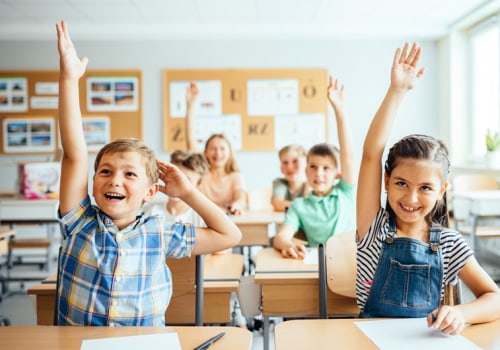
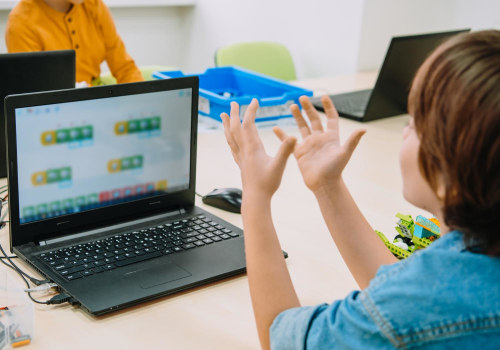
In the realm of education, the concept of fun learning for kids has emerged as a transformative approach that prioritises engagement and enjoyment in the learning process. This method recognises that children are naturally curious and learn best when they are actively involved in their education. By integrating play and interactive activities into learning, educators and parents can create an environment where children not only absorb information but also develop a genuine enthusiasm for knowledge. The significance of this approach cannot be overstated, as it lays the foundation for lifelong learning and personal growth.Engaging kids through enjoyable activities offers a multitude of benefits that extend beyond mere academic achievement.
When children participate in fun learning activities , they enhance their cognitive skills, boost creativity, and improve social interactions. These experiences allow them to explore concepts in a hands-on manner, fostering critical thinking and problem-solving abilities. Moreover, when children are engaged in activities that resonate with their interests, they are more motivated to participate, leading to deeper understanding and retention of knowledge.Furthermore, the importance of fun learning extends to emotional and social development. Collaborative activities encourage teamwork, communication, and empathy among peers.
As children work together towards common goals, they learn essential life skills that prepare them for future challenges. The joy derived from these experiences not only makes learning enjoyable but also cultivates resilience and adaptability—qualities that are invaluable in today’s ever-changing world. In essence, embracing fun learning for kids is not just about making education enjoyable; it is about nurturing well-rounded individuals who are equipped to thrive both academically and socially.
Creative Arts and Crafts Activities
Engaging children in creative arts and crafts activities not only nurtures their imagination but also fosters essential skills such as teamwork, communication, and problem-solving. These activities can be tailored to suit various age groups and can be conducted in both classroom and home settings, making them ideal for group participation.Here are some exciting arts and crafts projects that promote collaboration and creativity among children:- Collaborative Mural Creation: Set up a large canvas or a roll of paper on a wall.
Encourage children to contribute their own drawings or paintings, allowing them to express their individuality while working towards a common artistic goal. This project not only enhances their artistic skills but also teaches them about sharing space and ideas.
- Recycled Art Projects: Gather materials such as cardboard, plastic bottles, and old magazines. Challenge the kids to create sculptures or collages, which not only sparks their creativity but also instills a sense of environmental responsibility by teaching them about sustainability.
- Group Tie-Dye: Provide plain white t-shirts and various colours of dye. Kids can work in pairs or small groups to design their unique patterns.
This activity promotes cooperation as they share ideas and techniques while creating vibrant pieces of wearable art.
- Seasonal Crafts: Organise activities based on upcoming holidays or seasons, such as making decorations for Christmas or autumn leaf art. This not only makes learning fun but also helps children understand cultural traditions and the significance of different celebrations.
As children explore their artistic talents together, they build lasting friendships while developing essential life skills that will benefit them in all areas of life.
Outdoor Team Games and Sports
Engaging children in outdoor games and sports is a fantastic way to promote fun learning for kids. These activities not only encourage physical fitness but also help children develop essential social skills such as teamwork, communication, and problem-solving. Here are some popular outdoor games that can be easily organised:. These activities not only encourage physical fitness but also help children develop essential social skills such as teamwork, communication, and problem-solving. Here are some popular outdoor games that can be easily organised:- Capture the Flag: This classic game involves two teams trying to capture each other's flag while defending their own. It fosters strategic thinking and teamwork, as players must devise plans to outsmart their opponents.
- Relay Races: Organising relay races can be a fun way to teach children about cooperation.
Teams must work together to complete a series of tasks, promoting both physical activity and collaboration. This activity can be tailored to include various challenges, such as balancing an object or completing a puzzle.
- Kickball: A mix between baseball and soccer, kickball is a great way for kids to learn about sportsmanship and fair play while enjoying a good run. It encourages children to understand the importance of rules and teamwork.
- Tug of War: This simple yet effective game encourages strength and teamwork. Children learn to coordinate their efforts to achieve a common goal, fostering a sense of unity and collaboration.
Sports such as football, basketball, and netball not only improve physical health but also teach valuable life lessons about discipline, respect, and perseverance. Participating in team sports helps children understand the importance of working towards a common objective while developing their individual skills.Moreover, engaging in physical activities outdoors allows children to connect with nature, which can enhance their overall well-being. The fresh air and open space provide an ideal environment for kids to explore their limits while having fun. Activities like hiking or nature scavenger hunts can also be incorporated into outdoor play, encouraging exploration and curiosity.In conclusion, incorporating outdoor team games and sports into children's routines is a fantastic way to promote Sports such as football, basketball, and netball not only improve physical health but also teach valuable life lessons about discipline, respect, and perseverance. Participating in team sports helps children understand the importance of working towards a common objective while developing their individual skills.Moreover, engaging in physical activities outdoors allows children to connect with nature, which can enhance their overall well-being. The fresh air and open space provide an ideal environment for kids to explore their limits while having fun. Activities like hiking or nature scavenger hunts can also be incorporated into outdoor play, encouraging exploration and curiosity.In conclusion, incorporating outdoor team games and sports into children's routines is a fantastic way to promote fun learning.
These activities not only keep them active but also equip them with vital social skills that will benefit them throughout their lives. By fostering an environment where children can learn through play, we help them develop into well-rounded individuals ready to tackle future challenges.
Interactive Science Experiments
Engaging children in interactive science experiments is a fantastic way to spark their curiosity and foster a love for learning. These hands-on activities not only make science enjoyable but also promote critical thinking, teamwork, and problem-solving skills. Here are some exciting experiments that can be conducted in group settings, allowing kids to explore scientific concepts while collaborating with their peers.Volcano Eruption
This classic experiment is always a hit with children.To create a mini volcano, gather materials such as baking soda, vinegar, and food colouring. Divide the kids into small groups and provide each group with a container to build their volcano. They can use clay or playdough to shape the volcano around the container. Once they are ready, each group can add baking soda to their volcano and pour in vinegar mixed with food colouring to create an explosive reaction.
This activity teaches children about chemical reactions while allowing them to express their creativity.
Invisible Ink
Using lemon juice as invisible ink is a fun way to introduce kids to the concept of acids and bases. Each child can write secret messages on paper using a cotton swab dipped in lemon juice. Once the messages dry, they can reveal them by holding the paper near a heat source (with adult supervision). This experiment not only adds an element of mystery but also encourages teamwork as children share their messages and try to decode each other's writings.Balloon Rockets
This experiment allows children to explore the principles of propulsion and motion.Provide each group with a balloon, a straw, and string. Have them thread the straw onto the string and secure the string between two points (like chairs). When they inflate the balloon without tying it off and release it, they can observe how the air escaping propels the balloon along the string. This hands-on activity encourages discussion about forces and motion while promoting collaboration as they work together to set up their rockets.
Plant Growth Experiment
In this project, groups can plant seeds under different conditions to observe how various factors affect growth.Provide each group with seeds, soil, pots, and access to different light sources (e.g., sunlight vs. artificial light) and water levels. As they care for their plants over time, children will learn about plant biology and the scientific method as they record their observations and discuss their findings with one another.These interactive science experiments not only make learning fun but also encourage collaboration among children. By working together on these projects, kids develop essential social skills while deepening their understanding of scientific concepts.
Incorporating such engaging activities into educational settings can significantly enhance children's enthusiasm for STEM education, paving the way for a lifelong passion for science.
Storytelling and Drama Activities
Storytelling and drama activities serve as powerful tools for enhancing children's language skills and fostering creativity. These engaging experiences not only entertain but also provide a platform for children to express themselves, collaborate with peers, and develop essential communication skills.Storytelling Activities for Kids
- Story Cubes: Using dice with images on each side, children can roll the cubes and create a story based on the images that appear. This activity encourages spontaneous creativity and helps develop narrative skills, allowing kids to think on their feet.
- Story Circle: Gather children in a circle and have each child contribute a sentence to a story. This collaborative effort promotes listening skills and encourages them to build on each other's ideas, fostering a sense of community.
- Picture Books as Prompts: Read a picture book aloud, then ask children to retell the story in their own words or create an alternative ending.
This activity enhances comprehension and imaginative thinking, allowing kids to explore different perspectives.
Drama Games for Children
- Role Play: Assign roles from a familiar story or scenario, allowing children to act out their parts. This not only boosts confidence but also helps them understand different perspectives, enhancing empathy.
- Emotion Charades: Children take turns acting out different emotions without speaking while others guess what they are. This game enhances emotional intelligence and non-verbal communication skills, vital for effective interaction.
- Improvisation Exercises: Set up scenarios where children must improvise dialogue or actions based on a given situation. This fosters quick thinking and adaptability, essential skills for effective communication.
By participating in these engaging experiences, children can develop a love for storytelling while enhancing their language abilities in an enjoyable way.
Cooking and Baking as a Learning Experience
Cooking and baking are not merely activities to fill time; they are rich learning experiences that can significantly enhance children's educational journey. Engaging kids in the kitchen allows them to explore various subjects while having fun, making it an ideal setting for fun learning for kids .Math Skills Through Cooking
- Measuring Ingredients: Cooking requires precise measurements, which helps children understand concepts of volume and weight. For instance, using measuring cups and spoons teaches them about fractions and conversions.
- Understanding Fractions: Recipes often involve halving or doubling ingredients, providing a practical application of fractions. This hands-on experience solidifies their understanding of mathematical concepts.
- Time Management: Following a recipe involves timing, from preparation to cooking.
Kids learn to manage their time effectively, which is a crucial skill in both academic and everyday life.
Science in the Kitchen
- Chemical Reactions: Baking soda and vinegar experiments can illustrate basic chemical reactions, making science tangible and exciting. Children can witness firsthand how ingredients interact to create different outcomes.
- Temperature Changes: Kids observe how heat transforms ingredients, such as how dough rises or chocolate melts. This not only teaches them about cooking but also introduces fundamental scientific principles.
- Nutrition Education: Cooking provides an excellent opportunity to discuss healthy eating habits and the nutritional value of different foods. This knowledge empowers children to make informed choices about their diets.
Teamwork and Social Skills
- Collaboration: Cooking in groups encourages children to work together, share tasks, and communicate effectively.
They learn the importance of cooperation as they navigate through the cooking process.
- Problem-Solving: When things don’t go as planned—like a cake not rising—kids learn to troubleshoot and find solutions together. This fosters resilience and critical thinking skills.
- Cultural Awareness: Exploring recipes from different cultures can foster appreciation for diversity and global cuisines. It opens up discussions about traditions and customs, enriching their understanding of the world.
STEM Challenges and Building Projects
Engaging children in STEM activities not only nurtures their curiosity but also equips them with essential skills for the future.By participating in collaborative building projects, kids can explore fundamental engineering principles while enhancing their problem-solving abilities and creativity. Here are some exciting STEM challenges that can be easily organised in group settings:
Bridge Building Challenge
In this activity, children are tasked with constructing a bridge using materials such as popsicle sticks, straws, or LEGO bricks. The objective is to create a bridge that can support a specific weight, which encourages teamwork and critical thinking. As they work together, kids learn about basic engineering concepts such as tension, compression, and structural integrity.This challenge not only fosters collaboration but also allows children to experiment with different designs and materials.
Egg Drop Experiment
The Egg Drop Challenge is a classic STEM activity that promotes innovation and creativity. In this project, children must design a protective casing for an egg using limited materials like cardboard, tape, and straws. The goal is to prevent the egg from breaking when dropped from a height. This experiment encourages kids to think critically about how to absorb impact and protect fragile objects, while also fostering teamwork as they brainstorm and test their designs.Marshmallow Tower Competition
Using marshmallows and spaghetti, children can engage in a fun competition to build the tallest tower possible.This activity not only enhances their understanding of structural integrity but also promotes communication and collaboration among team members. As they construct their towers, kids learn about balance, stability, and the importance of a solid foundation.
Water Rocket Launch
Creating simple water rockets using plastic bottles is another thrilling STEM challenge that captivates children's interest. By experimenting with different amounts of water and air pressure, kids can observe the principles of propulsion and aerodynamics in action. This hands-on project encourages teamwork as they work together to design and launch their rockets, while also sparking discussions about scientific concepts related to flight.Incorporating these engaging STEM challenges into group activities not only makes learning enjoyable but also helps children develop essential skills such as creativity, resilience, and teamwork.By collaborating on these projects, kids learn to share ideas, face challenges collectively, and celebrate their successes as a group. Ultimately, these experiences lay the groundwork for a lifelong passion for science and engineering.
Music and Movement Activities
Integrating music and movement into group activities offers a dynamic approach to fun learning for kids. These activities not only promote physical engagement but also stimulate cognitive development, making them an essential part of any educational programme. By incorporating rhythm, dance, and movement, children can enhance their learning experiences while enjoying themselves.Music Activities for Kids
- Musical Chairs: This classic game combines music with quick thinking.
As children walk around a circle of chairs while music plays, they must find a seat when the music stops. This activity encourages listening skills and promotes a sense of urgency and excitement.
- Rhythm Games: Using simple instruments like tambourines or maracas, children can explore rhythm and beat. Group drumming sessions not only foster teamwork but also allow kids to express themselves musically, enhancing their auditory skills.
- Sing-Alongs: Organising group sing-alongs with popular children's songs can significantly enhance language skills and memory retention. Adding actions or dance moves to the songs makes the experience even more engaging and enjoyable.
Movement Games
- Freeze Dance: In this fun game, children dance freely while the music plays.
When the music stops, they must freeze in place. This activity promotes self-control and body awareness, as kids learn to listen to cues and respond accordingly.
- Follow the Leader: One child leads a series of movements or dance steps while others follow. This encourages creativity and helps develop coordination as children mimic the leader's actions, fostering a sense of community.
- Obstacle Courses: Setting up an obstacle course that requires jumping, crawling, and dancing through various challenges promotes physical fitness while enhancing problem-solving skills as they navigate through the course.
Moreover, the joy of learning through play ensures that they remain engaged and motivated.Incorporating fun learning activities that involve music and movement is an effective way to create memorable experiences for children while fostering their overall development. These activities not only make learning enjoyable but also help children build social connections with their peers, enhancing their emotional intelligence in the process.
FAQs About Fun Learning Activities for Kids
When it comes to fun learning for kids, parents and educators often have a myriad of questions. Understanding these concerns can help in creating a more engaging and effective learning environment. Below are some of the most frequently asked questions regarding fun learning activities.What are some effective ways to engage kids in learning?
- Interactive Games: Incorporating games that require teamwork and problem-solving can make learning enjoyable and memorable.
These games often encourage children to think critically while having fun.
- Hands-on Activities: Activities such as science experiments, art projects, or building challenges allow children to learn by doing. This experiential approach enhances their understanding and retention of concepts.
- Storytelling: Using stories to convey lessons captivates children's imaginations and makes the content relatable. Storytelling can also enhance language skills and creativity.
- Group Discussions: Encouraging kids to share their thoughts in a group setting fosters communication skills and critical thinking. It allows them to learn from each other’s perspectives.
What are the benefits of group activities for children?
- Social Skills Development: Working in groups helps children develop essential social skills such as cooperation, empathy, and conflict resolution.
These skills are vital for their future interactions.
- Enhanced Learning Experience: Collaborative learning allows children to learn from one another, broadening their perspectives and understanding of various subjects. This peer-to-peer interaction can deepen their knowledge.
- Increased Motivation: Group settings can motivate children to participate more actively, as they often feel more accountable to their peers. The social aspect of learning can drive engagement.
- Cognitive Growth: Engaging in discussions and problem-solving with peers stimulates cognitive development and critical thinking. Children learn to articulate their thoughts and challenge each other’s ideas.
Understanding these aspects not only aids in planning engaging activities but also ensures that children derive maximum benefit from their learning experiences.
Conclusion: Embracing Fun Learning in Group Settings
In summary, the integration of fun learning through group activities is vital for nurturing a child's passion for knowledge and enhancing their overall development. Throughout this article, we have explored various engaging activities that not only make learning enjoyable but also foster essential life skills such as teamwork, communication, and critical thinking.By participating in creative arts and crafts, children can express their individuality while collaborating with peers, which enhances their social interactions and problem-solving abilities. Outdoor team games and sports provide an excellent platform for physical activity while teaching valuable lessons about cooperation and sportsmanship. Similarly, interactive science experiments ignite curiosity and encourage children to explore scientific concepts in a hands-on manner.Moreover, storytelling and drama activities allow children to develop their language skills and creativity, while cooking and baking introduce practical applications of mathematics and science in a fun context.STEM challenges further stimulate critical thinking and innovation, equipping children with the skills necessary for future success.As we embrace these diverse group activities, it becomes clear that they are not merely about entertainment; they are foundational experiences that shape well-rounded individuals. The joy of learning through play ensures that children remain engaged and motivated, fostering a lifelong love for education.Ultimately, by prioritising fun learning in group settings, we can create enriching environments where children thrive academically, socially, and emotionally. Encouraging collaboration among peers not only enhances their educational journey but also prepares them to face future challenges with confidence and resilience.